Serving Stevens Point & Central Wisconsin

Sewer Camera Inspection in Stevens Point, WI

A sewer scope or video sewer inspection to locate roots, breaks, buildup, offsets, bellies, and recurring blockages.

Inspect first Explain the options Local service area
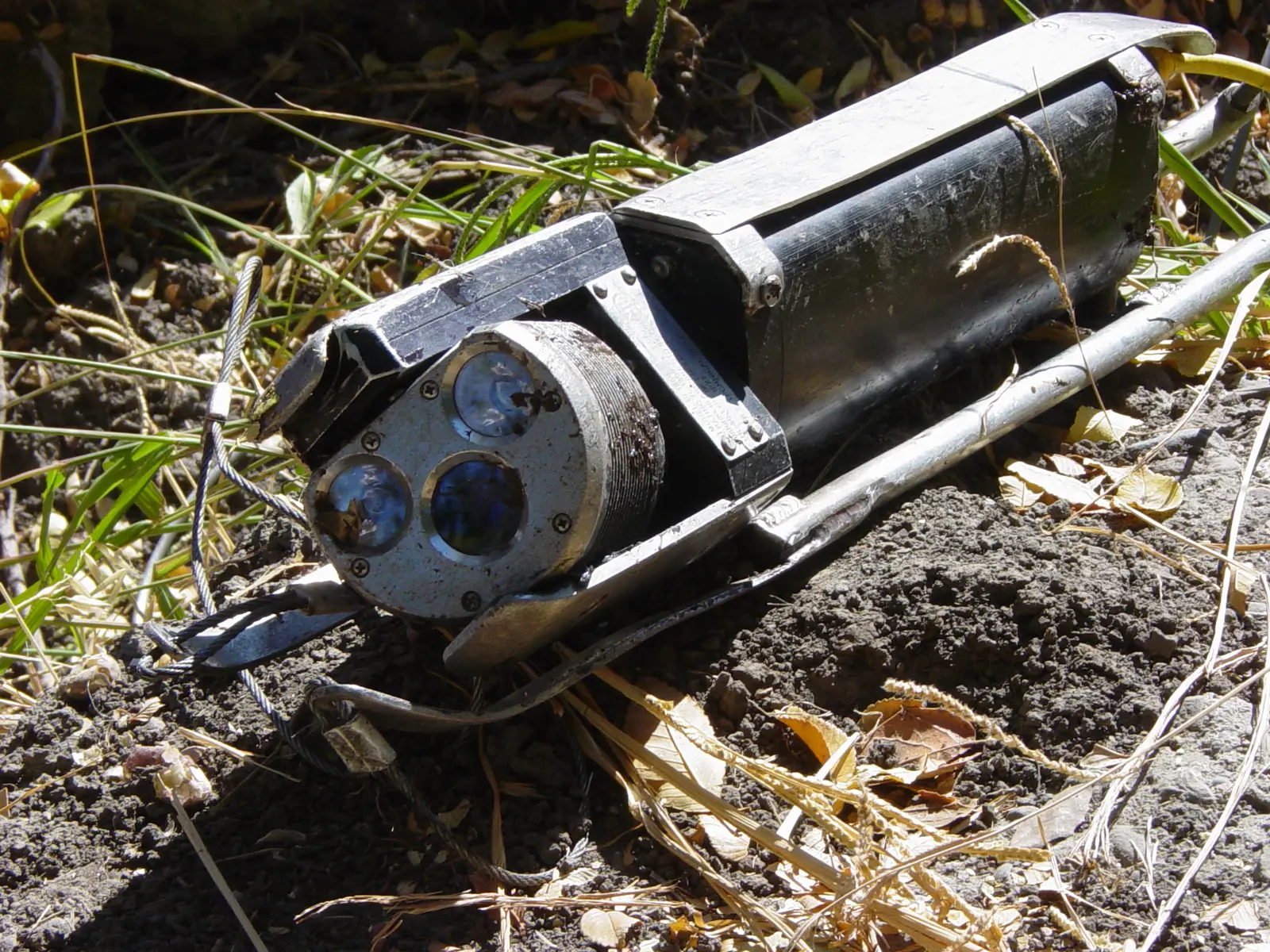
Pipeline inspection camera and lights positioned for an internal pipe survey

Quick answer

A sewer camera inspection—also called a video sewer inspection or sewer scope—sends a waterproof camera through an accessible pipe opening. It helps identify recurring sewer symptoms before cleaning, repair, replacement, or a home purchase decision.

Understand the service

What is sewer camera inspection?

A flexible push cable carries a lighted camera through the line while the technician watches the interior in real time. This sewer scope can document roots, separated joints, cracks, scale, grease, debris, deformation, and sections holding water.

Many camera heads can be located from the surface, allowing a problem area's approximate position and depth to be marked. The inspection is most useful when the lens can travel through a reasonably open line.

When it may fit

When might this service be appropriate?

This work makes sense only when it matches the condition of the line. It may be discussed in situations such as these:

  • A main-line clog or backup returns after ordinary clearing.
  • Several fixtures are slow, gurgling, or backing up together.
  • You are evaluating an older home's sewer before purchase or remodeling.
  • A repair, lining, or replacement recommendation needs visual confirmation.

What to expect

How the process typically works

  1. 1

    Find safe access

    An exterior cleanout or another suitable opening is selected for the camera entry.

  2. 2

    Advance the camera

    The camera is guided through accessible sections while pipe conditions are observed.

  3. 3

    Locate concerns

    Notable defects can be measured, recorded, and marked at the surface when conditions allow.

  4. 4

    Review findings

    The visible cause, severity, and reasonable next steps are explained in plain language.

Compare proposals clearly

Questions to ask before authorizing this work

A clear proposal should say what was found, which section will be treated, and what the quoted price includes. Before signing, ask:

  • Will I receive the full playable video and a plain-language written summary?
  • Which access point, direction, and total distance will the camera cover?
  • Can significant defects be located from the surface with an estimated depth?
  • Will pipe material changes, standing water, roots, cracks, offsets, and inaccessible sections be documented?
  • If the view is blocked, what cleaning or follow-up is needed for a complete inspection?

Property-specific planning

What should be evaluated first?

Pipe material and condition matter, but so do access, depth, utilities, and the reason the problem started.

Obstructions

Roots, grease, wipes, debris, mineral scale, and other material restricting flow.

Structural defects

Cracks, holes, separated joints, offsets, deformation, corrosion, and collapsed areas.

Drainage profile

Standing water, low spots, changes in material, connections, and accessible pipe length.

Helpful details

Sewer Camera Inspection FAQs

Practical details to check before deciding whether this service fits the line and the property.

Can a sewer camera find every leak?

It can show many visible cracks and openings, but very small leaks or defects hidden by standing water or buildup may require additional testing.

Should the line be cleaned before inspection?

If heavy buildup blocks the view or prevents the camera from passing, cleaning first can produce a more useful inspection.

Can the camera show where the problem is in the yard?

Often, yes. A compatible locator can trace the camera head and estimate the defect's surface position and depth.

Should a homebuyer order a sewer scope?

A sewer scope can be especially useful for an older home, a property with mature trees, or when the sewer history is unknown. The inspection contingency and timing should be coordinated with the buyer's real-estate professionals.

Need help with the next step?

Describe the problem and share the property location.

Request a Free Estimate