Serving Stevens Point & Central Wisconsin

Sewer Line Repair in Stevens Point, WI

Targeted sewer line or private lateral repair for cracked, separated, leaking, or locally collapsed pipe sections.

Inspect first Explain the options Local service area
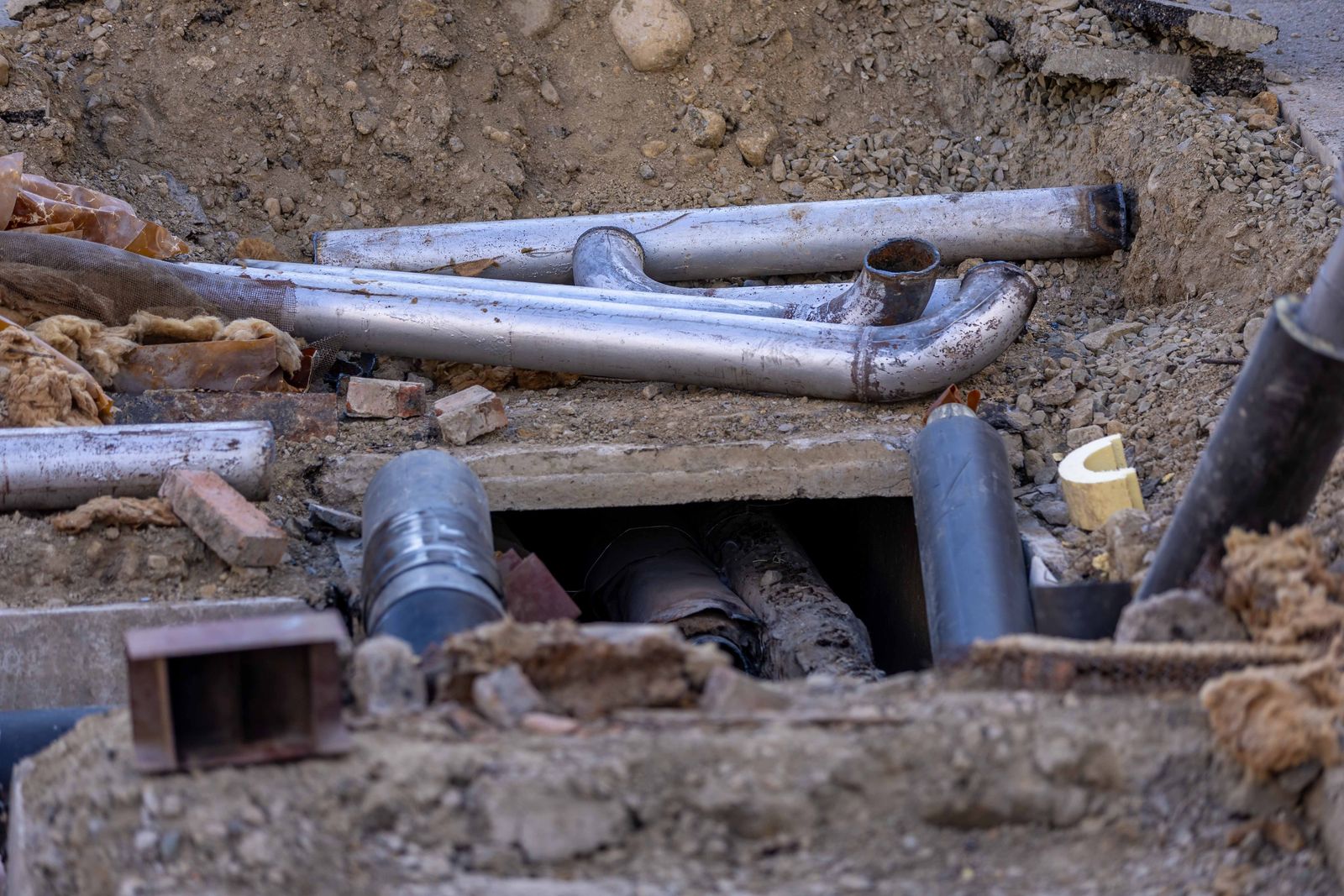
Underground utility pipe exposed for a focused repair

Quick answer

Sewer line repair, also called private sewer lateral repair, corrects a specific damaged area while leaving serviceable pipe in place. It may fit when a camera inspection finds an isolated crack, failed joint, leak, or short collapsed section rather than widespread deterioration.

Understand the service

What is sewer line repair?

A sewer repair is a focused correction to one part of the private sewer lateral, also called the building sewer or house sewer. Depending on the pipe material, depth, location, and type of failure, the damaged section may be accessed through a small excavation or addressed with a trenchless repair method.

The goal is to restore dependable flow and seal the known defect without replacing more pipe than the condition requires. A camera inspection and locating equipment help define the repair area before work begins.

When it may fit

When might this service be appropriate?

This work makes sense only when it matches the condition of the line. It may be discussed in situations such as these:

  • A crack, separated joint, or leak is limited to one section of pipe.
  • Root entry has been cleared and the opening can be repaired.
  • The surrounding pipe appears structurally serviceable on camera.
  • A localized collapse or offset can be accessed without replacing the full lateral.

What to expect

How the process typically works

  1. 1

    Inspect and locate

    A camera identifies the defect and locating equipment marks its position and depth.

  2. 2

    Choose access

    The site and pipe condition determine whether a spot excavation or trenchless method is suitable.

  3. 3

    Repair the section

    The failed pipe, joint, or opening is corrected using a method matched to the material and damage.

  4. 4

    Verify the line

    Flow and connections are checked, and a follow-up camera pass may confirm the finished repair.

Compare proposals clearly

Questions to ask before authorizing this work

A clear proposal should say what was found, which section will be treated, and what the quoted price includes. Before signing, ask:

  • What exact defect is visible, and what are its distance, depth, and surface location?
  • Why is a targeted repair recommended instead of cleaning, lining, or broader replacement?
  • What caused the failure, and could that condition damage the repaired section again?
  • Which permits, inspections, backfill, surface restoration, and final camera verification are included?
  • What workmanship and material warranty applies to the repaired section?

Property-specific planning

What should be evaluated first?

Pipe material and condition matter, but so do access, depth, utilities, and the reason the problem started.

Pipe condition

Material, age, cracks, corrosion, offsets, and the amount of sound pipe on either side.

Failure location

Depth, nearby utilities, structures, pavement, landscaping, and safe access.

Cause of damage

Roots, soil movement, deterioration, poor joints, or recurring buildup that could affect the repair.

Helpful details

Sewer Line Repair FAQs

Practical details to check before deciding whether this service fits the line and the property.

Can one section of a sewer line be repaired?

Often, yes. If the defect is isolated and the remaining pipe is in usable condition, a targeted repair may avoid replacing the entire lateral.

How is the damaged spot located?

A sewer camera and electronic locator can identify the defect's approximate position and depth from the surface.

Will sewer repair require digging?

Some repairs require a focused excavation. Certain defects may qualify for a trenchless approach, but the camera findings and site conditions determine the options.

Is a sewer line the same as a sewer lateral?

In residential service conversations, the terms often refer to the private pipe carrying wastewater from the home toward the public sewer. Ownership boundaries and municipal program rules should still be verified for the specific property.

Need help with the next step?

Describe the problem and share the property location.

Request a Free Estimate